
WYSIWYG Web Builder

Spinal Roller Sensor

Background
Early detection and longitudinal monitoring of spinal deformities are critical for preventing progression and reducing the need for invasive interventions. Conventional imaging modalities such as radiography, CT, and MRI, while effective, are limited by radiation exposure, high cost, restricted accessibility, and reduced suitability for repeated screening—particularly in vulnerable populations such as children, pregnant women, obese patients, and the elderly. There is a clear unmet clinical need for a safe, repeatable, and cost-effective spinal screening and measurement solution.
Innovation Concept
We propose a novel, non-invasive, radiation-free spinal screening and measurement platform that integrates a roller-based inertial sensing system with infrared depth imaging. The device is designed to capture continuous, high-resolution geometric data along the spinal surface, enabling quantitative assessment of sagittal and coronal spinal curvature without direct imaging of osseous structures.
Technology Overview
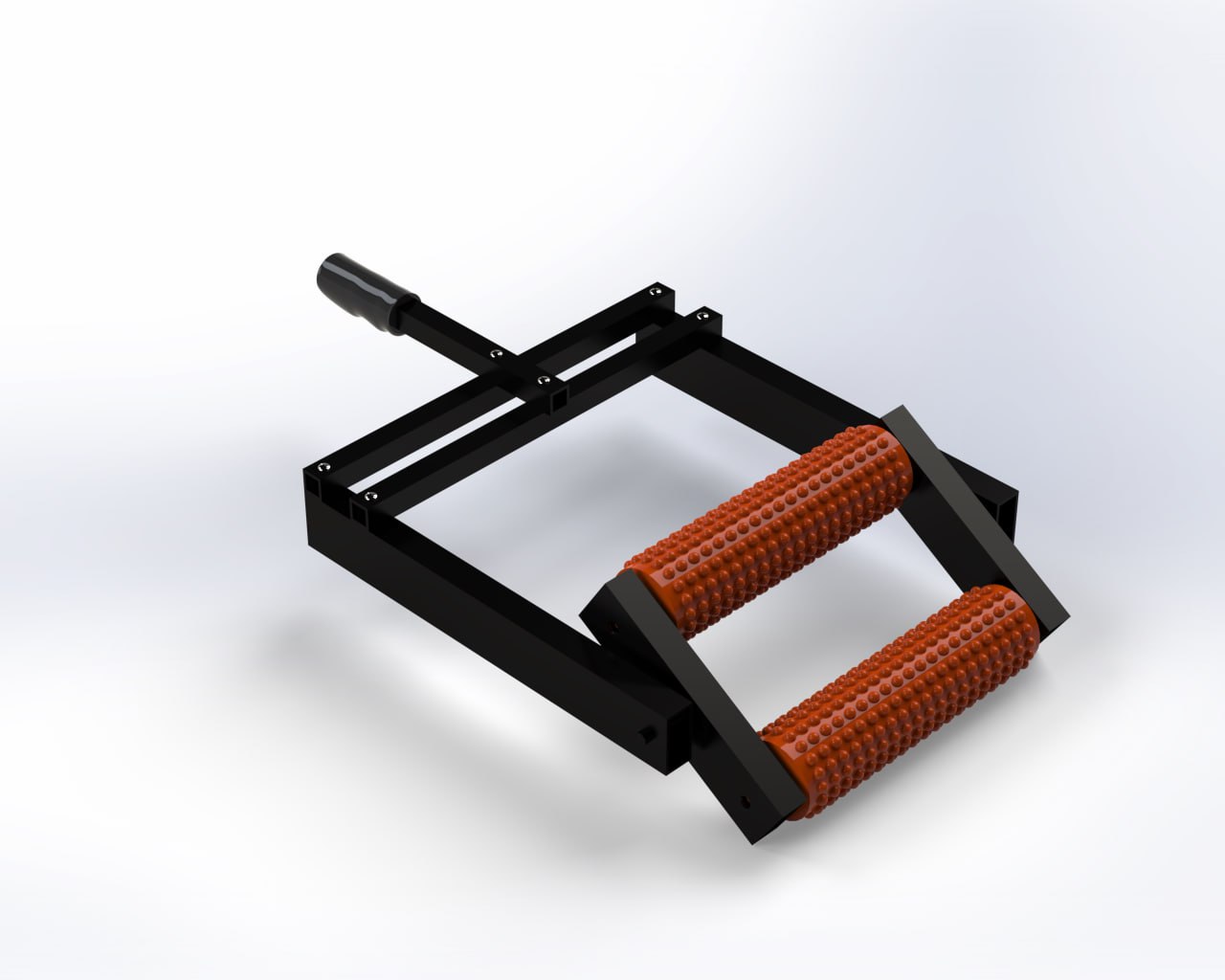
Phase I employs a dual-roller system equipped with inertial measurement units and precision encoders to track spinal contour, orientation, and curvature during controlled traversal along the back surface. Phase II augments this data through infrared depth sensing, generating a three-dimensional surface topology of the posterior trunk. Data fusion algorithms align inertial and depth information to enhance spatial accuracy, repeatability, and robustness against operator-dependent variability. Phase III represents a future modular extension focused on patient comfort and muscle relaxation, without altering the core screening functionality.
Intended Use
The platform is intended as a screening, monitoring, and clinical decision-support tool, enabling repeated assessments over time while reducing dependence on radiographic imaging. It is not designed to replace diagnostic imaging but to guide clinical decision-making and optimize imaging utilization.


Expected Impact

This technology has the potential to expand access to spinal screening, reduce unnecessary radiation exposure, support early intervention strategies, and provide scalable solutions for outpatient clinics, rehabilitation centers, and population-based screening programs.


Lifting mask


Hygienic Silicone Face and Nose Lifting Mask

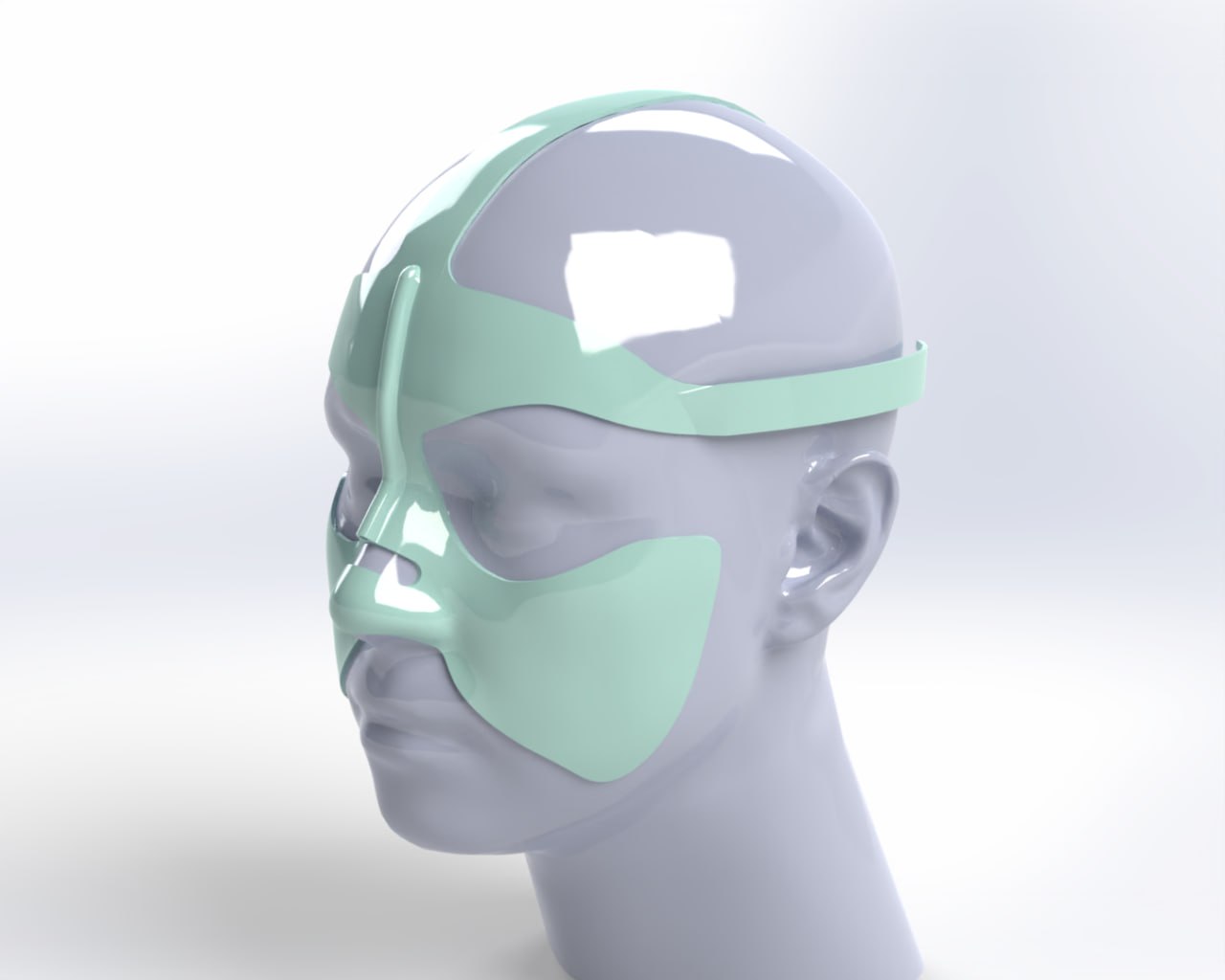
The face and nose lifting mask is made from high-quality hygienic silicone and is designed as a non-invasive solution for improving facial appearance and contouring. This product aims to help reduce fine lines and wrinkles on the forehead, around the eyes, and around the lips, while also providing forehead and cheek lifting effects.


The mask features two adjustable support straps on both sides of the forehead, which fasten at the back of the head to ensure proper fixation and uniform tension across the forehead area. In addition, a separate strap extends from the tip of the nose to the back of the head, creating controlled lifting tension that helps shape the nose tip, prevent downward drooping, and enhance the overall appearance of the nose.


Its ergonomic design allows the mask to simultaneously create a gentle lifting effect on the cheeks, improving overall facial contour. With regular use, this product may help the face appear firmer, more youthful, and refreshed.


Features:


An essential and distinctive feature of this mask is the presence of hygienic pads in the forehead and cheek areas, which are infused with moisturizing and anti-wrinkle ingredients. These pads are designed to support skin hydration, wrinkle reduction, and overall skin rejuvenation during use.

The combination of mechanical lifting and active moisturizing components enhances the mask’s effectiveness, making it a particularly valuable product for improving skin texture, promoting a youthful appearance, and supporting facial skin revitalization